About the course
Wikidata: A Backbone for Hybrid/Bilateral AI is an introductory, hands-on course on the role of Wikidata and large-scale knowledge graphs in modern AI systems. The course introduces participants to querying and using Wikidata, understanding its schemas and constraints, and exploring how symbolic and subsymbolic approaches can both benefit from and contribute to collaboratively curated knowledge graphs.
The course is designed around practical examples, interactive exploration, and mini-project work. It addresses both the use of Wikidata as a source of reliable, structured knowledge for AI applications and the use of AI methods to improve the quality, consistency, and utility of Wikidata itself.
Students and researchers with some familiarity with Python and an interest in knowledge graphs, Semantic Web technologies, and hybrid AI methods.
Where
Gußhausstraße 25-29, 1040 Vienna
Room: EI 10 Fritz Paschke
Open campus map
When
6-10 July 2026
Summer school week
Tutorial sessions
Tuesday to Friday
11:00-12:30 each day
Format
4 × 90-minute sessions with hands-on components and mini-project work
Course Sessions
The course is organized into four tutorial sessions
Session 1: Introduction to Wikidata
- What knowledge graphs are and why they matter
- How contextual information and schema are modeled in Wikidata
- Standard access formats: RDF, SPARQL, APIs, and graph formats
- Hands-on querying and exploring large-scale graph data
- Scalable methods for processing Wikidata
Session 2: Symbolic AI for Wikidata
- Schema inference, constraints, and repairs
- Constraint languages: SHACL and ShEx
- RDFS and OWL in the context of Wikidata
- Property constraints and data quality analysis
- Why purely symbolic repair methods are often not enough at scale
Session 3: Learning from and for Wikidata
- Machine learning approaches for improving graph quality
- Rule learning, learned shapes, graph embeddings, and neural approaches
- Repair learning for Wikidata
- Using knowledge graph embeddings in downstream tasks
- Introduction to the Wikidata Embedding Project
Session 4: Mini-Project and Hybrid AI Applications
- Use cases of Wikidata in RAG and agentic AI applications
- Discussion of related projects such as Wikifunctions
- Connections to other knowledge graphs such as YAGO and DBpedia
- Group mini-project work and wrap-up presentations
- Resources for continuing research beyond the course
By the end of the course, participants will be able to query, analyze, and reuse Wikidata in AI workflows, and understand how symbolic and subsymbolic methods can support the evolution of large collaborative knowledge graphs.
Lecturers and Tutors
Meet the teaching team for the course

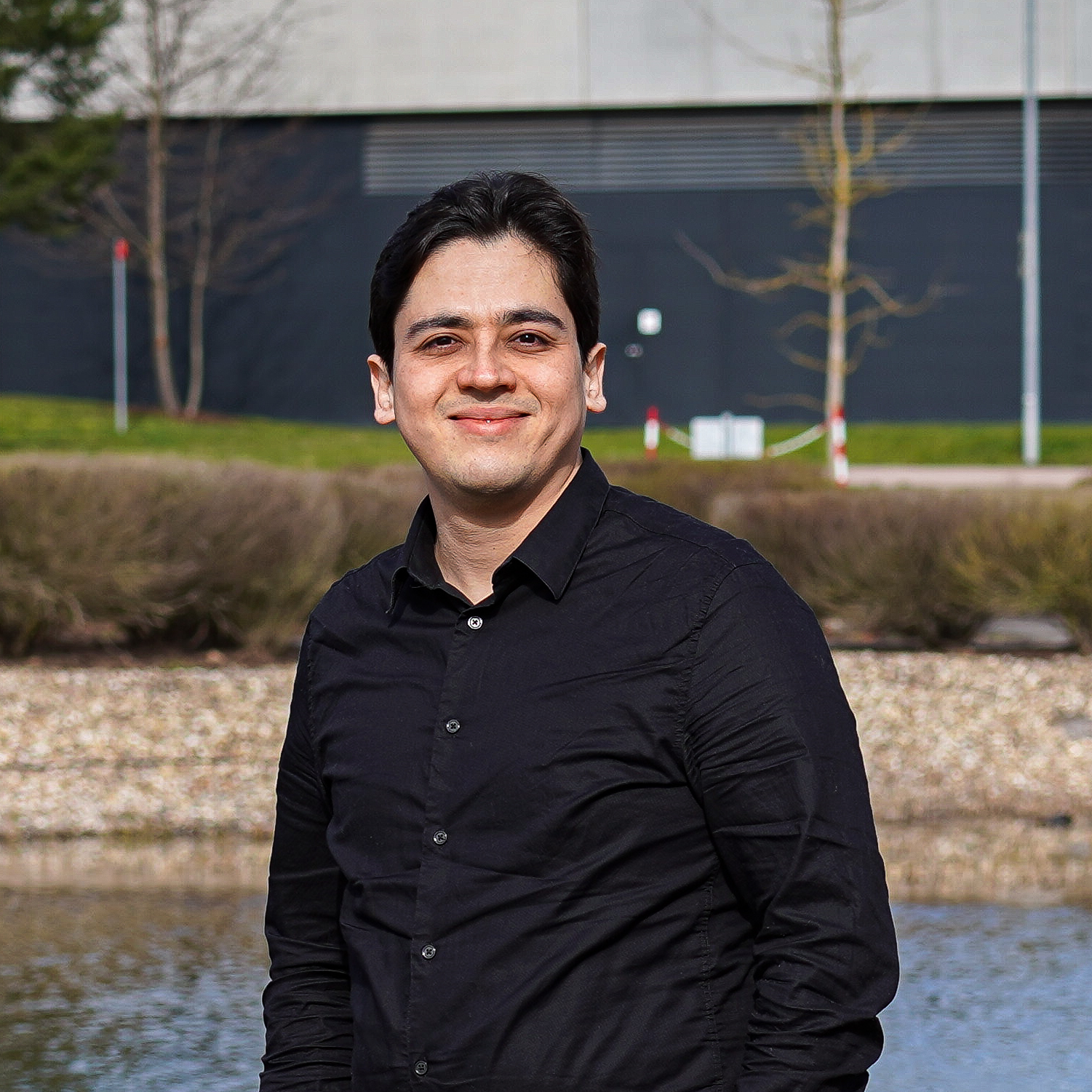
Supporting Tutors
Hands-on support during the sessions

Nicolas Ferranti
PhD student at WU Vienna, working on Wikidata constraints and repair.

Daniil Dobriy
PhD student at WU Vienna, working on Wikibase, interoperability, and evolving knowledge graphs.

Miguel Vazquez
PhD student working on graph learning on knowledge graphs, co-supervised with JKU Linz.
Course Schedule
Wikidata tutorial sessions during ESSAI 2026
Each Wikidata tutorial session takes place from 11:00 to 12:30, from Tuesday to Friday.
Tuesday · 7 July 2026
Session 1: Introduction to Wikidata Axel Polleres
Knowledge graphs, data models, schema, RDF, SPARQL, APIs, and querying Wikidata.
Wednesday · 8 July 2026
Session 2: Symbolic AI for Wikidata Axel Polleres
Schema inference, SHACL, ShEx, property constraints, quality assessment, and repairs.
Thursday · 9 July 2026
Session 3: Learning from and for Wikidata Diego Rincon-Yanez
Machine learning, embeddings, learned repairs, and downstream AI tasks using Wikidata.
Friday · 10 July 2026
Session 4: Mini-Project and Hybrid AI Applications Axel Polleres & Diego Rincon-Yanez
Use cases, related resources, group mini-projects, and course wrap-up.
Venue
Location information for the Wikidata course
TU Wien Campus Location
The Wikidata tutorial sessions will take place at:
Gußhausstraße 25-29
1040 Vienna
Room: EI 10 Fritz Paschke
For the exact campus location and internal navigation, please use the TU Wien campus map.
You can also open the location in Google Maps.
Resources
Materials and topics covered in the course
What participants will work with
- Wikidata querying and exploration
- RDF, SPARQL, APIs, and graph representations
- SHACL, ShEx, and schema-related methods
- Constraint checking, violations, and repair strategies
- Knowledge graph embeddings and downstream AI use cases
- Interactive notebooks and hands-on exercises
Course materials will be linked here once the organizers publish the final notebooks, slides, or reading list.
Contact
Reach out for questions about the course
Address
Gußhausstraße 25-291040 Vienna
Room EI 10 Fritz Paschke